Utune's Optimizer fits your clinical day. A sonographer optimizes presets for the clinical site in minutes, locks them in, and moves on to patient scans with confidence. Because every patient image matters.
At Utune, we believe quality imaging means quality care. Ultrasound is used more than ever for diagnosis, treatment, and prognosis, yet the risk of false positives and negatives remains because machines, transducers, and users vary. Utune's Optimizers eliminate that subjectivity, so clinicians deliver more accurate and reliable diagnostics every time.
Raise confidence in every image set, so your data is clinically accurate and genuinely actionable.
Remove subjectivity from scans and strengthen data integrity across machines, transducers, and users.
Reduce image waste, rescans, and storage, along with the overhead costs that come with them.
Even when a QA protocol confirms proper calibration, default OEM presets can still produce false positives or negatives, putting patients at risk and driving unnecessary repeat scans.
Most QA tests only measure string, or linear target, visibility. A small change in field of view or focal zone can keep those strings visible while blurring the spherical targets that represent real lesions, so a flawed image still passes calibration.
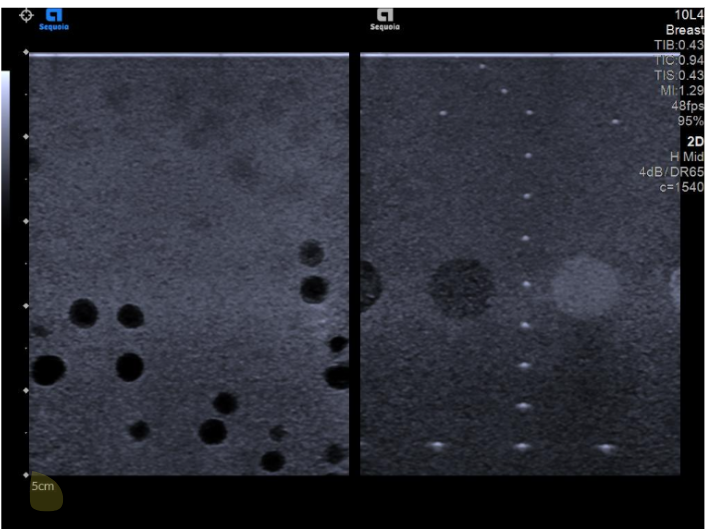
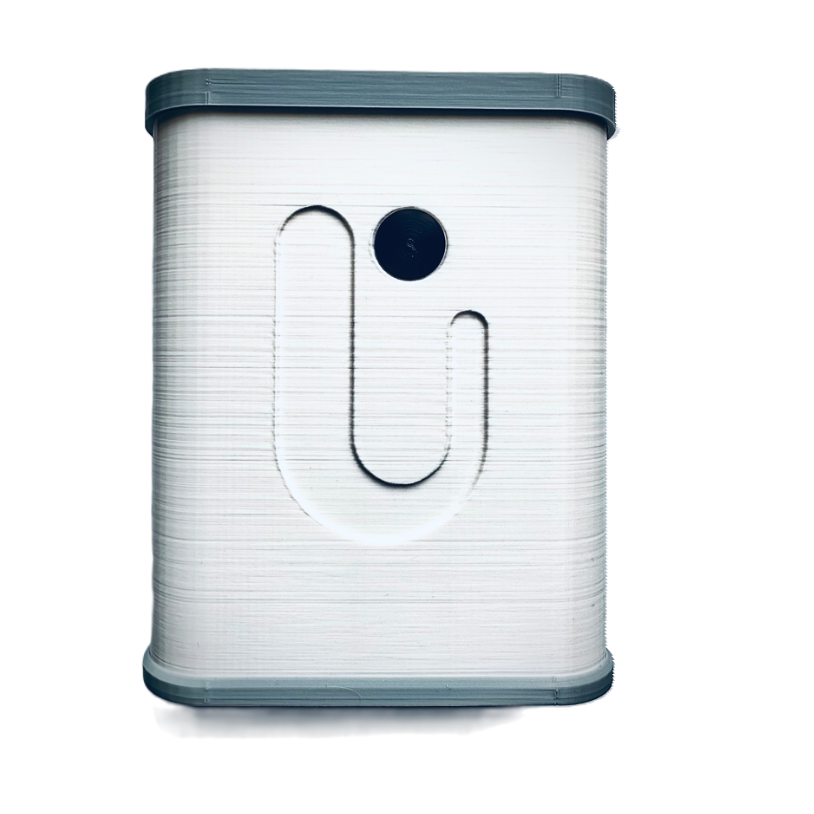
The Optimizer is a tissue-mimicking phantom with randomized, lesion-mimicking spherical targets. A sonographer scans it, tunes the machine's presets to the clinical site in minutes, and validates true image integrity, then scans patients through the day with confidence.
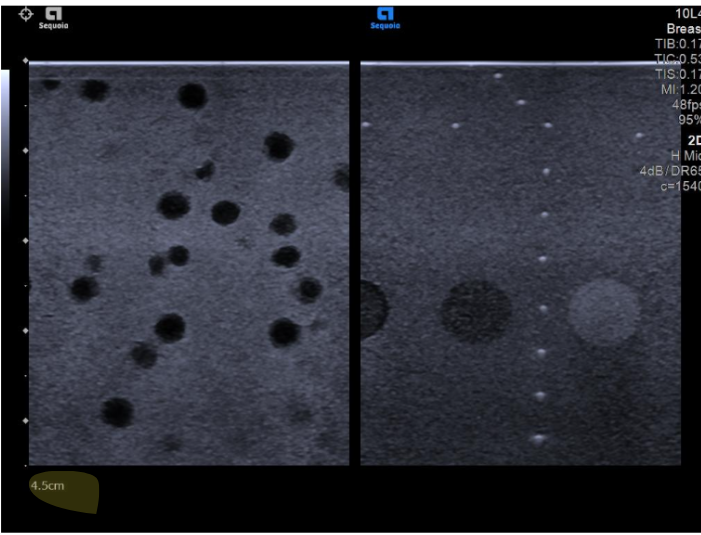
Randomized 2mm and 4mm spherical targets mimic real lesions, revealing the diagnostic detail that string-only QA can miss.
Set and lock your scanning protocol on the Optimizer in minutes, tuned to the machines and presets your site actually uses.
With validated presets, sonographers scan patients with confidence, reducing rescans, image waste, and second-guessing.
Utune fits the ultrasound clinical day. Set the scanning protocol on the Optimizer, lock it in, and move on to patient scans without second-guessing your image quality.
Scan the Optimizer with your ultrasound machine. Using lesion-mimicking spherical targets, tune presets to your clinical site in minutes.
Confirm true image integrity with quantified acoustic output and randomized spherical targets, so your settings are objective and repeatable.
Go about your clinical day knowing every preset is validated, reducing rescans, second-guessing, and image waste.
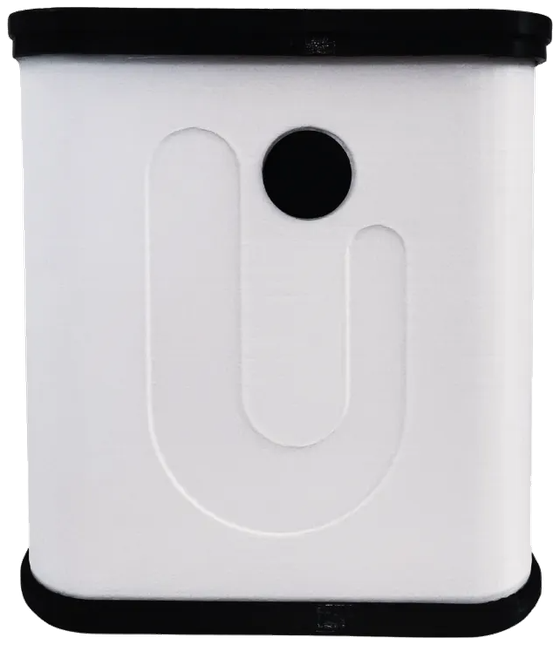
Superficial applications for sites such as the thyroid.
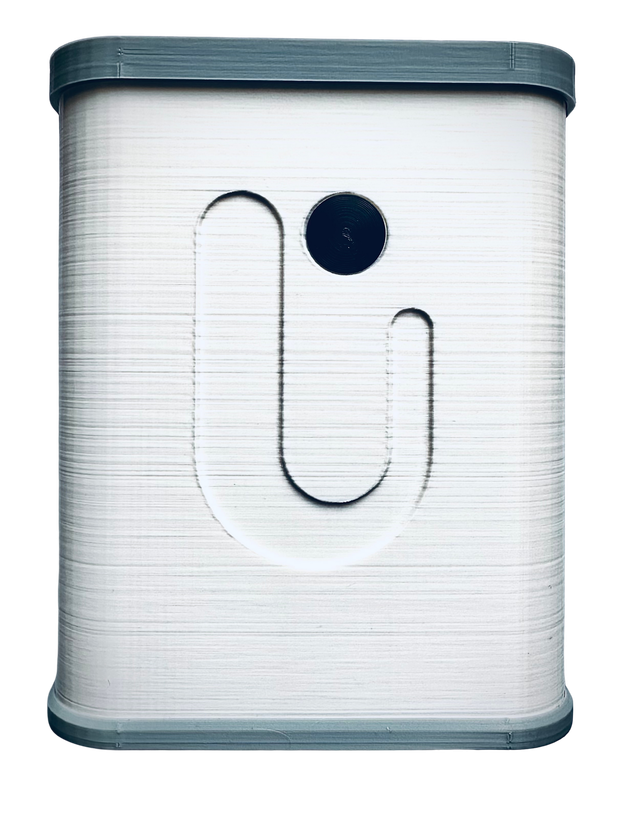
General parts applications for sites such as the breast and abdomen.
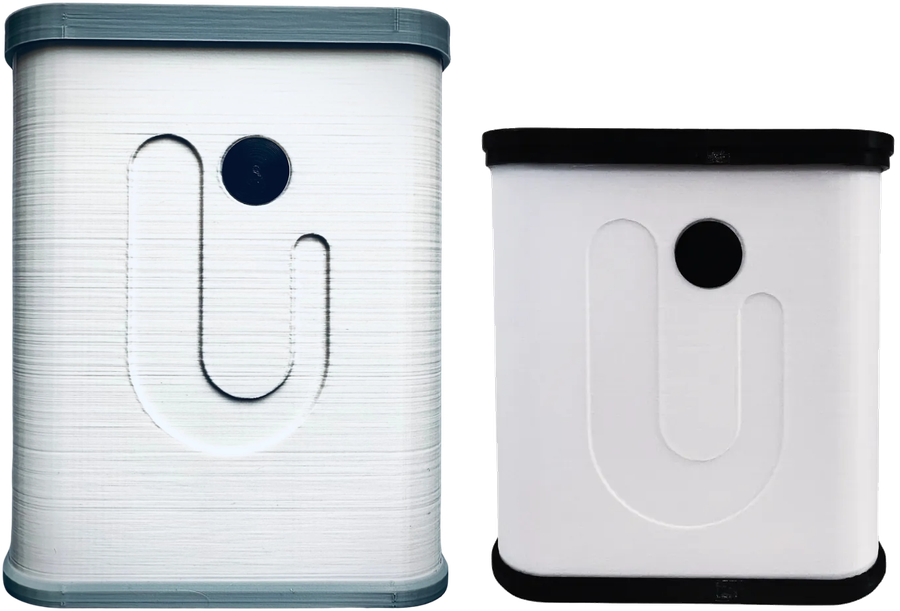
General, small, and custom parts applications in one package.
Every Optimizer is built to defined acoustic and dimensional standards, so your results stay consistent across machines and sites.
Real examples of how small preset changes create diagnostic risk that string-only QA cannot catch.
Changing field of view from 4.5cm to 5.0cm keeps the strings visible but blurs the spherical targets entirely. Because most QA tests only measure string visibility, that image still passes calibration despite missing critical diagnostic detail.
Two images, same machine, same transducer, same technician. The only change is a focal zone of 2.5 to 7cm versus 0 to 5cm. That small adjustment creates a dead zone where key structures become unclear, an error that could lead to a missed or incorrect diagnosis.
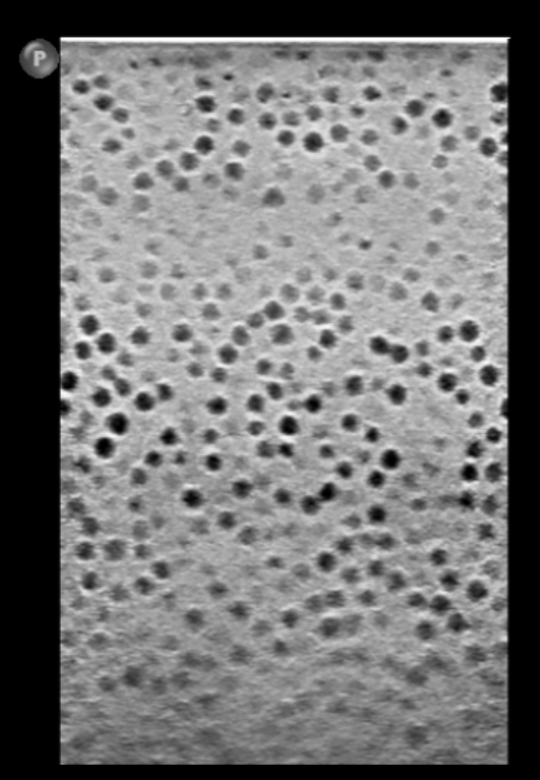
A physician reviewed two scans of the same patient on identical machines and presets. One appeared indeterminate; the other showed a suspicious lesion and led to a biopsy recommendation. Engineers found the second machine's calibration board had drifted, producing a false positive that could have caused an unnecessary, invasive procedure.
A short walkthrough of the Optimizer and the imaging gaps it closes.
The random hypoechoic sphere phantom technology behind the Utune Optimizer has been evaluated in a peer-reviewed, NIH-funded study, and independent research has long documented the QA gap it addresses.
This study evaluated a Random Hypoechoic Sphere Phantom, 2 mm spheres at 20% volume fraction, the sphere technology used in the Utune Optimizer, with an automated analysis method built for simple freehand scanning, no mechanical guide required. Lesion signal-to-noise ratio (LSNR) measured by the algorithm closely matched visual assessment and responded as expected to changes in frequency, imaging mode, transmit power, gain, dynamic range, and focal depth. Measurement variability stayed near 5% across different operators and scanning speeds, supporting the method as an accurate, reproducible, and clinically practical way to quantify lesion detectability for routine ultrasound QA/QC.
Why conventional string-and-cylinder phantoms can miss what matters: real cases where two same-model machines with the same transducer passed routine QC yet rendered the same nodule easy on one system and nearly invisible on the other. The presentation walks through the slice-thickness problem, the case for high-density randomly distributed spherical targets (1-10 mm, with 3-5 mm suiting most applications), and how a phantom image acquired at the start of an exam can serve as a standardized reference for radiologists and AI-based tools. It closes with the published Figure 6 validation data and the ACR-AAPM technical standard language (revised 2026) recommending randomly placed spherical lesion tests, the approach the Utune Optimizer implements.
Documented meaningful rates of ultrasound transducer defects that can degrade image quality while going undetected in routine use.
Further evidence on transducer performance degradation and the limits of visual and standard QA checks.
Findings on ultrasound QA methodology and the value of quantitative image-quality assessment over subjective review.
The references above are independent, third-party research findings that frame the industry problem Utune addresses. The featured Medical Physics study evaluated the random hypoechoic sphere phantom supplied by Utune; author affiliation is disclosed in the publication.
Because every patient image matters. Talk with us about optimizing your imaging protocols for your clinical site.
Contact UtuneTell us about your clinical site and imaging goals, and we will respond promptly.